Sponsored article
<p>Ensuring fire safety both indoors and out is crucial for protecting lives and property. When it comes to emergencies, having the right tools can make all the difference. Fire extinguishers are not one-size-fits-all, and understanding the options available can help you handle fire hazards effectively. Whether safeguarding your kitchen or preparing for a camping trip, selecting the appropriate extinguisher can provide peace of mind and crucial protection when needed most.</p>
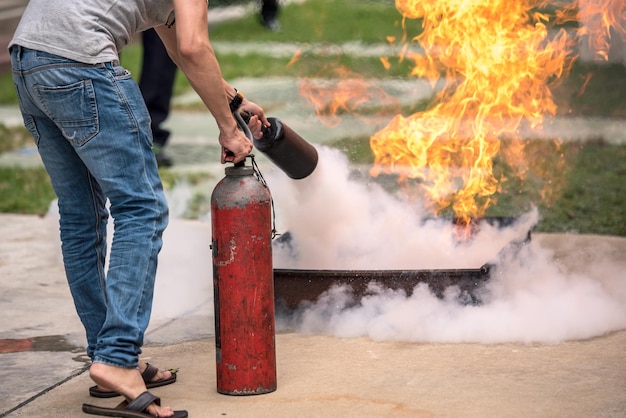
When exploring fire extinguisher types, it’s vital to understand the unique functions and appropriate applications of each. The ABC extinguisher is among the most versatile, suited for fighting Class A fires (ordinary combustibles) through Class C fires (electrical) using a dry chemical powder. For outdoor areas or electrical fires, a CO2 extinguisher is effective as it displaces oxygen to suffocate the flames without leaving residue. Meanwhile, the dry chemical extinguisher is a broader category containing formulas for different classes, with multipurpose options available for convenience in diverse emergency scenarios.
Complementing these are wet chemical extinguishers, which are specifically designed for Class K fires involving cooking oils and fats, making them ideal for kitchen use. These extinguishers emit a cooling mist which saponifies the burning oil to suppress the fire smoothly. Beyond conventional options, when considering comprehensive solutions for both home and outdoor settings, a versatile option like the Firexo 500ml Aerosol Fire Extinguisher is invaluable for combating multiple fire classes including electrical and lithium-ion battery fires, ensuring advanced safety for your family and property. More information on this topic? Take a look at https://firexo.com/product/500ml-aerosol-extinguisher/.
Choosing the right fire extinguisher for your home is a critical step in maintaining home fire safety. When selecting a home fire extinguisher, it’s important to consider the specific risks associated with different areas of your house. The kitchen, for example, requires particular attention due to the unique challenges posed by grease fires. A Class K extinguisher is the best extinguisher for home use in kitchen fire safety, as it’s specifically designed to combat fires caused by cooking oils and fats. In garages and workshops, where flammable materials might be present, a multi-purpose Class ABC extinguisher is advisable to tackle most fire types. For areas with electrical equipment, ensure the extinguisher is safe for electrical fires, such as a Class C rating, to prevent further danger.
Remember, strategically placing fire extinguishers in accessible locations is essential in ensuring quick response times in case of an emergency. Consider adhering to these tips for optimal home fire safety:
Always familiarize yourself and household members with the operation of these devices to maximize safety and effectiveness.
Preparing for outdoor fire emergencies is a crucial part of any nature adventure, whether you’re camping under the stars or hiking through lush trails. When it comes to outdoor fire safety, having a portable extinguisher on hand is a must. A camping fire extinguisher is specifically designed to tackle unexpected flare-ups, ensuring that a small spark doesn’t escalate into a dangerous situation. Look for extinguishers that are lightweight and compact yet powerful, such as those rated for Class A, B, and C fires, to cover combustible materials, flammable liquids, and electrical equipment. With these features, you’ll be well-equipped for fire safety on the go.
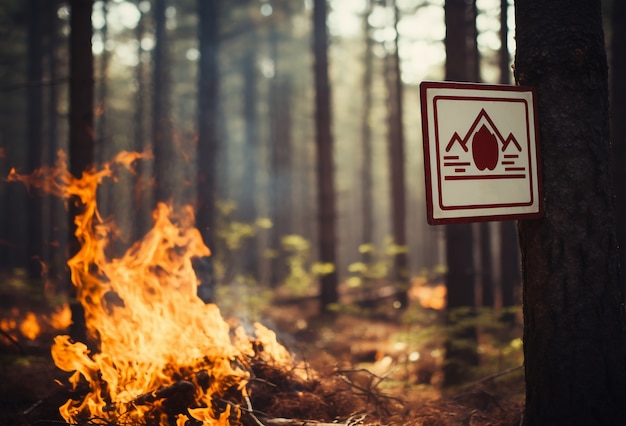
In addition to choosing the right portable extinguisher, it’s essential to follow basic safety tips when dealing with fire outdoors. Always set up your campfire in a designated area, ensure it’s a safe distance from flammable materials, and never leave it unattended. When extinguishing the fire, douse it thoroughly with water and stir the ashes to ensure no hot spots remain. By integrating these practices, you can enjoy a safer outdoor experience, confident that you’re prepared for any fire-related emergencies that may arise.