
Sponsored article
Theater and dance are potent forms of artistic expression that have long played critical roles in shaping cultural identity. These performing arts allow individuals and communities to express their unique narratives, traditions, and emotions, offering an avenue for profound storytelling and cultural dialogue. By examining the impact of theater and dance on cultural expression and preservation, we can better understand their functions in reflecting and influencing the societies they emerge from, and how they contribute to a shared sense of identity.
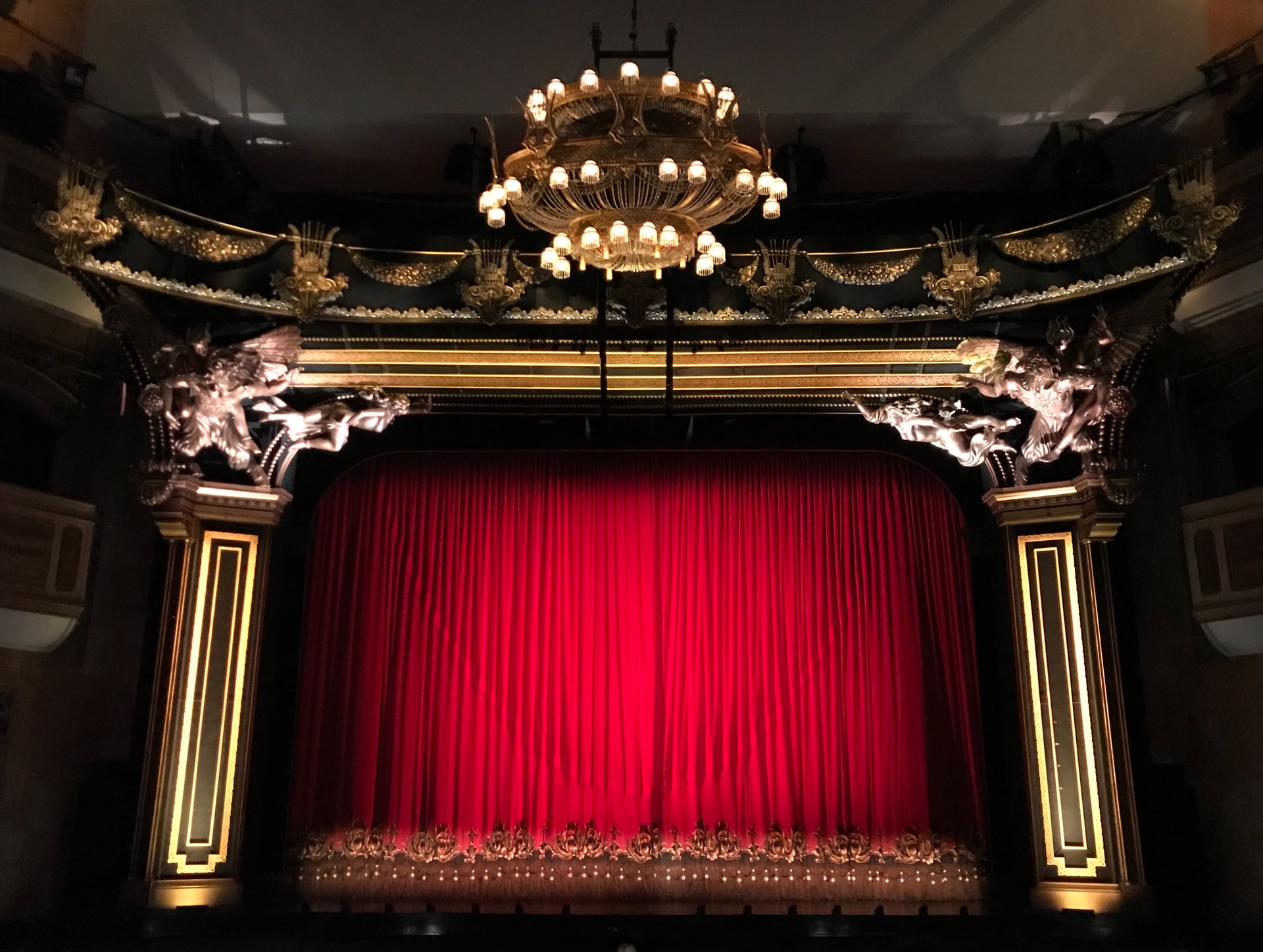
Theater has long been a pivotal platform for cultural expression, serving as a dynamic canvas where communities articulate their identity through the powerful medium of storytelling and performance. From the ancient amphitheaters of Greece to the vibrant stages of contemporary urban centers, theater functions as a bridge connecting past traditions with present-day societal values. This integration reflects the beliefs and customs that are foundational to a culture’s unique identity, allowing audiences to witness the evolution of cultural mores and shared human experiences.
Through theatric performances, societies are able to celebrate their heritage, question existing paradigms, and explore new ideas, all of which contribute significantly to the dialogue around cultural identity. The narratives enacted on stage often highlight universal themes while simultaneously showcasing distinctive local traditions, making theater an invaluable repository for cultural transmission. By encapsulating and dramatizing the essence of a community’s values and beliefs, theater continues to play an essential role in preserving and redefining cultural expression.
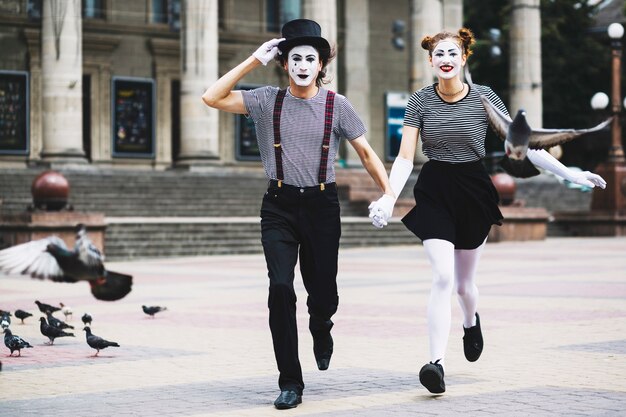
Dance plays a pivotal role in cultural preservation by acting as a dynamic conduit for heritage, where movement becomes a powerful tool for storytelling and ritual enactment. As a living tradition, dance allows communities to actively engage with their cultural identity, passing down stories, values, and historical narratives from generation to generation. This art form serves as an essential vehicle for maintaining cultural identity, ensuring that traditions remain vibrant and relevant in a rapidly changing world. Dance forms such as folk, classical, and ceremonial dances differ across cultures but share a common purpose: the embodiment of a community’s essence through expressive movement.
Different dance forms reveal much about a community’s values and history, encapsulating their ways of life, beliefs, and shared experiences. Some key aspects of how dance contributes to cultural preservation include:
Through these expressions, dance not only preserves cultural heritage but also strengthens communal bonds and cultural continuity, ensuring that the essence of a culture remains alive for future generations.
The performing arts hold immense cultural significance as they transcend mere entertainment, becoming a vital conduit for social dialogue and community connection. Theater and dance, as crucial elements of performing arts, carry the profound ability to influence cultural identity by fostering community bonds. Through shared experiences, audiences engage with diverse narratives, encouraging a deeper understanding and appreciation of different cultures. Performing arts offer a stage where social issues can be explored, challenged, and reflected upon, allowing communities to confront and process their realities in constructive ways.
Furthermore, the cultural significance of performing arts is evident in their capacity to promote social change. By providing spaces for dialogue and reflection, theater and dance enhance cultural cohesion and collective empathy. Key benefits include:
Through these contributions, the performing arts remain a powerful influence on shaping and reshaping cultural identity.