Sponsored article
In an era where drone technology is rapidly advancing, protecting sensitive areas from unauthorized aerial intrusions has become a critical concern. Drone jamming systems have emerged as a vital solution, capable of blocking illegal drone activity to ensure the safety and security of high-risk locations. By preventing drones from entering restricted airspace, these systems play a crucial role in safeguarding military installations, government facilities, and other critical infrastructures.
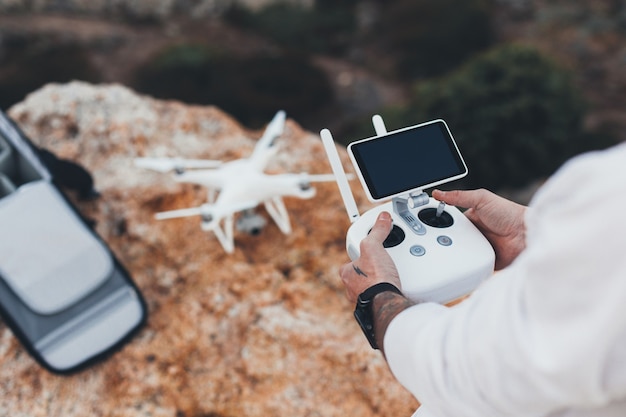
Understanding drone jamming technology is crucial for safeguarding sensitive areas against unauthorized aerial intrusions. This technology primarily operates by utilizing RF signals to disrupt the vital communication link between drones and their operators. By targeting the radio frequencies used for remote control and navigation, these systems effectively neutralize potential threats posed by unauthorized drones. Various UAV countermeasures are employed to enhance airspace security, including the deployment of portable and stationary drone jammer systems. Portable jammers provide flexibility and mobility, allowing for rapid response in diverse environments, while stationary systems are ideal for continuous protection of specific zones. These solutions can be tailored to cover multiple frequency bands, ensuring comprehensive defense strategies that adapt to different threat levels. Through manual or automatic operation, drone jamming technology offers a versatile approach to countering unauthorized UAV activities, thus ensuring the safety of restricted zones from aerial intrusions.
Drone jamming applications are increasingly vital in safeguarding sensitive areas such as military bases, government buildings, and critical infrastructure, where the threat of unauthorized aerial intrusions poses significant security risks. These sites are often targets for espionage, terrorism, and other malicious activities that exploit the rapid proliferation of drone technology. The deployment of advanced drone jamming systems offers invaluable security benefits by effectively disabling the communication links between the unauthorized drones and their controllers, thereby preventing potential breaches. In military zones, jamming technology acts as a crucial barrier against reconnaissance and data gathering by adversaries, maintaining operational security. Government buildings frequently utilize drone jamming applications to protect sensitive information from being captured or compromised. Similarly, critical infrastructure like power plants and communication hubs benefits from these systems by mitigating risks posed by drones that could disrupt operations or endanger public safety. Ultimately, the strategic implementation of drone jamming enhances the overall security posture of sensitive areas against unauthorized aerial threats.
Implementing drone jamming systems to protect sensitive areas from unauthorized aerial intrusions presents a variety of challenges and considerations that must be addressed to ensure compliance and effectiveness. One of the primary drone jamming challenges is navigating the complex web of legal considerations. In many jurisdictions, there are stringent regulations governing the use of drone jamming technology due to potential interference with legitimate aviation activities and communication systems. This necessitates obtaining the appropriate licenses and ensuring the system’s operation is in full compliance with all local laws. Additionally, there are inherent system limitations to consider, such as the range and effectiveness of jamming signals, which can be impacted by environmental factors and technological advances in drone designs. To avoid unintended disruptions, careful planning is essential. This involves conducting thorough risk assessments and developing strategies to ensure that jamming activities do not inadvertently affect nearby electronic devices or critical infrastructure, thereby achieving a balance between security and safety.