Sponsored article
Minimalist photography is an art form that brings clarity and emotion through simplicity. By focusing on the fundamentals of composition and eliminating clutter, this style offers a unique way to capture striking images. Whether you are an experienced photographer or just beginning your journey, exploring minimalist photography can unlock new avenues of creativity and provide a refreshing perspective on how you view the world. In this article, we delve into the essence, techniques, and notable artists of minimalist photography.
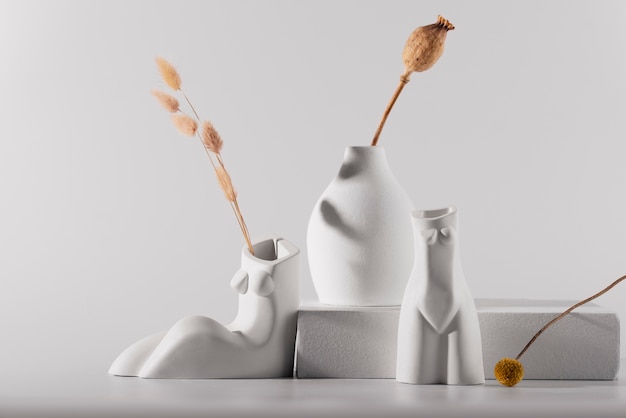
Understanding the essence of minimalism in photography means embracing the concept of “less is more”. Minimalist photography is defined by its focus on simplicity in photography, where the removal of extraneous elements leads to a pure, uncluttered visual composition. At its core, minimalism in photography allows the viewer to engage deeply with the subject as it becomes the central point of interest without any distractions. By utilizing negative space, minimalist photographers highlight the simplicity in photography, ensuring that every component in the frame serves a purpose. This thoughtful approach transforms the mundane into the extraordinary, often conveying emotions or narratives through subtlety and restraint.
Principles that guide minimalist photography include a sparse use of color, limited visual elements, and an emphasis on geometric shapes. It is about finding beauty in the ordinary and expressing it through clean lines and bright backgrounds. By reducing the image to its most basic components, minimalist photography essence focuses the eye directly onto the subject, creating striking images that evoke contemplation and reflection. The practice challenges both the photographer and the viewer to look beyond the obvious, to appreciate the power of simplicity and the impact of minimal elements in visual storytelling.
Minimalist photography techniques are pivotal in crafting images that evoke simplicity and elegance. Among these minimalist composition techniques, the use of negative space stands out as a cornerstone. By surrounding your subject with ample space, you create a focus that enhances the subject’s form and isolating it from distractions. It’s one of the simple composition tips that allows viewers to breathe in the artwork, emphasizing the importance of every featured element. Alongside negative space, focusing on minimal elements ensures that each component of the photo carries weight and significance. This refined approach eliminates clutter, directing attention to the core subject.
Another essential aspect of minimalist composition techniques is the deliberate use of color and forms. Carefully chosen hues can evoke specific emotions and set the tone of the photo, while distinct shapes offer a structured, balanced look. These minimalist photography techniques often include:
Through these strategies, the essence of minimalist aesthetic is achieved, allowing simplicity to convey powerful narratives.
Exploring the realm of minimalist photography reveals an exquisite blend of simplicity and profound expression, with famous minimalist photographers like Hiroshi Sugimoto at the forefront. Known for his serene seascapes and stark architectural compositions, Sugimoto’s work embodies the minimalist ethos through an ethereal capture of light and time. Another influential minimalist photography artist, Michael Kenna, is celebrated for his captivating black-and-white landscapes that employ minimal elements to evoke a strong emotional response. Kenna’s unique approach is characterized by long exposure techniques, which allow him to distill scenes into poetic elegance. Rinko Kawauchi, a renowned minimalist photography explorer, uses her lens to focus on the subtleties in everyday life, often highlighting the softness and transience of her subjects.
These minimalist photography artists each bring a distinct voice to the genre, contributing significantly to its wide appreciation and understanding. Key aspects of their unique approaches include:
Through their work, famous minimalist photographers have not only defined but also expanded the possibilities of minimalist photography, making it a celebrated and continually evolving art form that challenges viewers to look beyond the obvious.