Sponsored article
Long exposure photography is a captivating technique that opens up a world of creative possibilities. By allowing photographers to capture the passage of time in a single frame, it creates images that are both surreal and dynamic. This art form makes it possible to capture stunning light trails, smooth water effects, and other ethereal elements. In this article, we’ll delve into various long exposure techniques, explore its creative applications, and discuss the essential equipment you need to start your journey.
Understanding long exposure techniques is essential for photographers looking to explore the creative possibilities of this fascinating style. At its core, long exposure photography involves using slow shutter speeds to capture the movement of elements over time. This requires a fundamental grasp of camera settings, particularly the manipulation of shutter speed to allow more light into the camera’s sensor for extended periods. By selecting slower shutter speeds, photographers can transform flowing water into a silky blur or create mesmerizing trails of light, turning ordinary scenes into artistic expressions.
To master these long exposure techniques, one should also become proficient with additional tools like ND filters. These filters act as sunglasses for your camera, reducing the amount of light entering the lens and allowing for even slower shutter speeds in bright lighting conditions. The careful combination of appropriate camera settings and the use of ND filters enables photographers to control exposure and achieve stunning effects that embody the magic of long exposure photography. Armed with this technical knowledge, capturing dramatic, ethereal images becomes an exciting journey.
Long exposure photography opens a doorway to an array of creative photography ideas, where time itself becomes a brush to paint with light. One of the most exhilarating techniques is light painting. This method transforms mundane scenes into vibrant canvases by using handheld light sources to draw designs or write words in mid-air while the camera’s shutter remains open. The result is a stunning interplay of lines and colors that seems to float magically in the scene. Photographers often equip themselves with flashlights, glow sticks, or even burning steel wool to achieve these mesmerizing effects, making this technique one of the most popular for those exploring the artistic potential of long exposure.
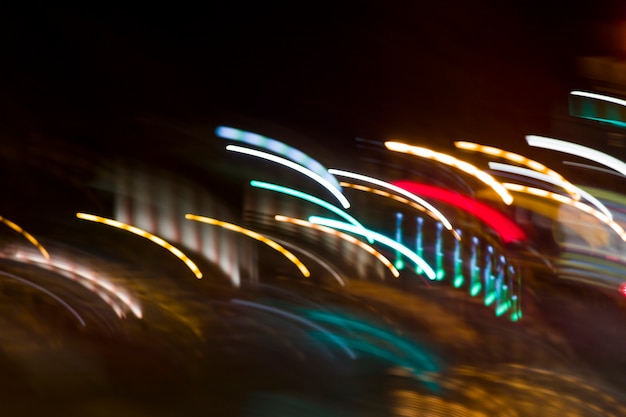
Another compelling application is capturing motion blur, where moving subjects such as flowing water, swaying trees, or bustling city streets are transformed into silky, dreamlike visuals. This technique not only imparts a sense of dynamism but also evokes emotion and narrative within an image. Moreover, mastering long exposure for night photography unveils a world of brilliance enshrouded in darkness. Urban landscapes come alive with streaks of taillights and luminous cityscapes, while star trails carve celestial paths across the night sky. Each application invites photographers to experiment and push the boundaries of traditional photography, making long exposure a vital tool in the quest for creative expression.
Long exposure photography is a fascinating genre that allows photographers to capture the passage of time in a single frame, creating mesmerizing effects such as silky waterfalls and dramatic light trails. To embark on this artistic journey, certain camera gear becomes indispensable. The cornerstone of successful long exposure photography is a sturdy tripod. It provides the necessary stability to keep your camera perfectly still during the extended exposure times, which can often last several seconds to minutes. Alongside the tripod, a remote shutter release is crucial. This accessory allows photographers to trigger the camera’s shutter without physically touching it, thus preventing any unwanted camera shake that could blur the image.
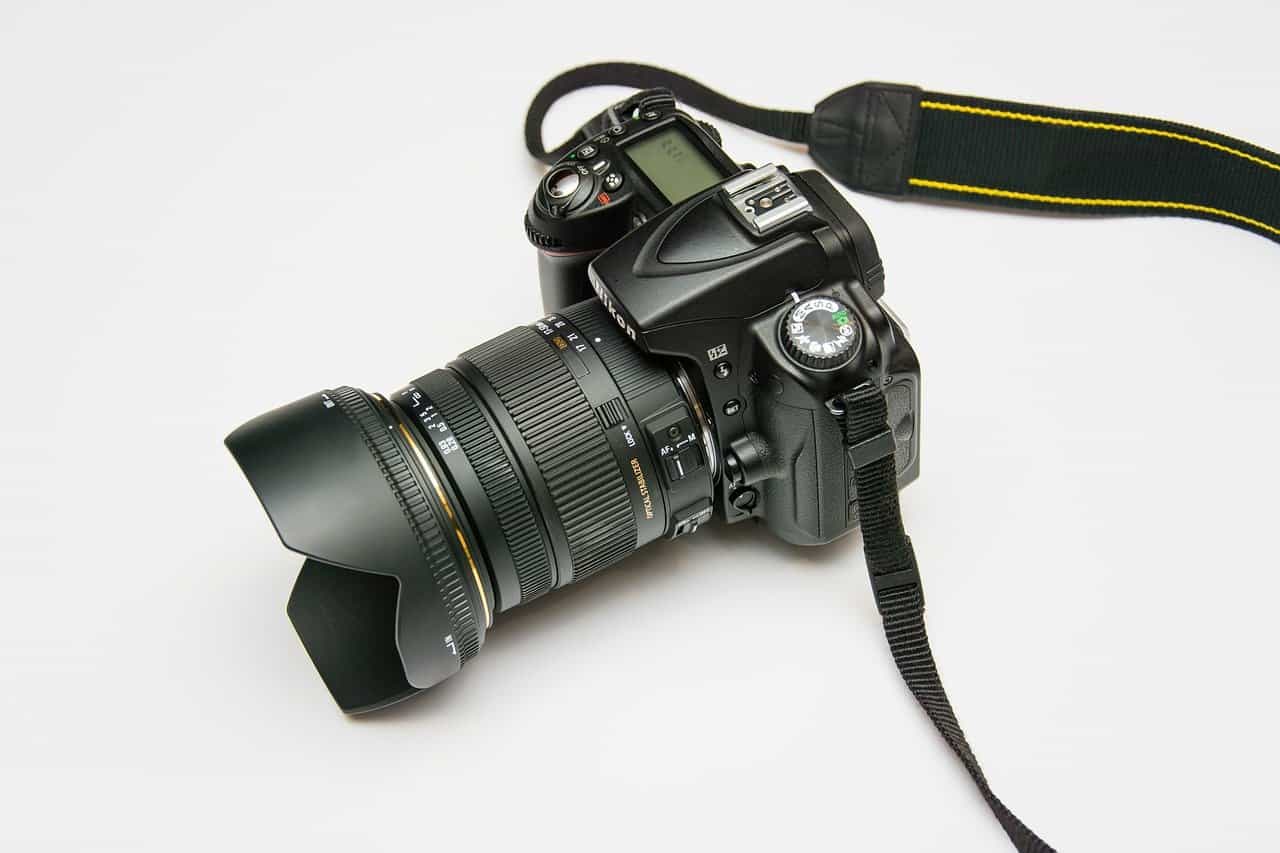
Apart from a reliable tripod and remote shutter release, there are additional accessories for long exposure that can enhance the quality of your shots. Neutral density (ND) filters are particularly useful, as they limit the light entering the camera, allowing for longer exposure times even in bright conditions. Furthermore, lens hoods can help minimize lens flare and protect against stray light, while a bubble level ensures your horizons remain perfectly straight. Investing in these essential pieces of camera gear can significantly elevate your long exposure photography and help unlock its full artistic potential.