Sponsored article
The world of medieval armor provides a fascinating glimpse into the past, revealing the brilliant artistry and craftsmanship of an era defined by its wars and warriors. As we delve into the creation of medieval helmets, we uncover the ingenious methods and materials employed by skilled artisans to produce these essential pieces of armor. From the forge to the battlefield, each helmet tells a story of protection, innovation, and cultural significance, all while embodying the spirit of its time.
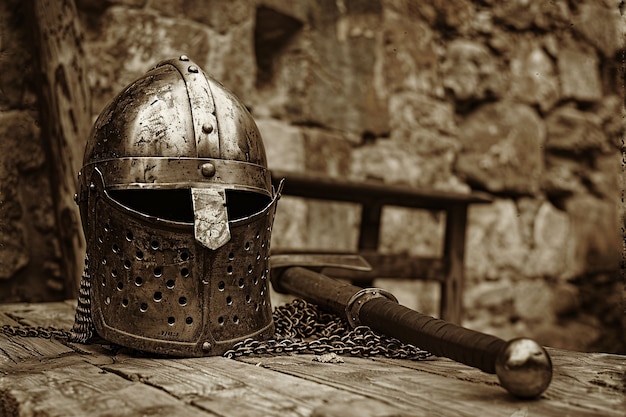
The art of forging medieval helmets represents a unique confluence of skill, patience, and artistry, as practiced by adept blacksmiths of the era. These master craftsmen utilized a variety of forging techniques, meticulously shaping metal to create durable and protective headgear. To achieve the perfect balance of strength and mobility, blacksmiths first heated materials such as iron or steel until malleable, a crucial step in the metalworking process. They then employed tools like anvils, hammers, and tongs to carefully shape the helmet’s structure, often incorporating intricate designs and embellishments. Through techniques like hammering, riveting, and welding, artisans could tailor each piece for specific combat needs. Moreover, medieval armor required a blend of functionality and decorative appeal, showcasing the craftsman’s artistic prowess. This attention to detail ensured helmets were not only protective but also aesthetically aligned with the warrior’s status. Discover a captivating range of these helmets at https://www.medievaldepot.com/collections/helmets.
In the exploration of the craftsmanship behind medieval helmets, understanding the materials used in medieval helmets and innovations in their design is paramount. Helmets from the medieval period were primarily constructed with steel and leather, materials chosen for their durability and protective qualities. The use of steel provided the necessary toughness to deflect blows, while leather offered flexibility and a comfortable fit against the head. Innovations such as improved helmet designs, including more ergonomic shapes and integrated visors, enhanced functionality, ensuring better protection for the wearer. Leather and rivets were skillfully applied to bolster helmet joints and add a layer of absorption against impact. Over time, the evolution of helmet craftsmanship saw designs that optimized both materials and structural integrity, culminating in helmets that were not only protective but wearable for extended periods during battle. As blacksmithing techniques and metallurgical knowledge advanced, so too did the quality and efficiency of these medieval protective headpieces.
The cultural significance and historical impact of medieval helmets extend far beyond their utilitarian role on the battlefield. As pivotal components of medieval warfare, these helmets served not only as protective gear but also as powerful symbols of power, status, and identity. The evolution of helmet design over time reveals shifts in technological innovation and social dynamics, with each style reflecting a blend of artistic flair and practical function. Depictions in art and literature often emphasize the heroic and chivalric ideals associated with knights, further cementing helmets as icons of medieval valor. The symbolism inherent in their ornate crests and visors often indicated allegiance or rank, transforming them into emblems of individual and collective identity. Today, these helmets continue to shape our modern perceptions of the medieval era, invoking images of gallant knights and epic battles. By examining their historical impact and cultural significance, we gain deeper insights into how medieval helmets transcended their initial purpose, becoming enduring symbols that resonate through history.